
Preparing Your Equipment for Seasonal Storage: Expert Tips
Understanding the Importance of Seasonal Storage
As the seasons change, so do our needs for various equipment and tools. Whether it's lawnmowers in the winter or snowblowers in the summer, proper seasonal storage is crucial to maintain their longevity. Failing to store your equipment correctly can lead to damage, reduced efficiency, and costly repairs. By taking the time to prepare your equipment for storage, you ensure that everything is in top condition when you need it again.

Cleaning and Maintenance
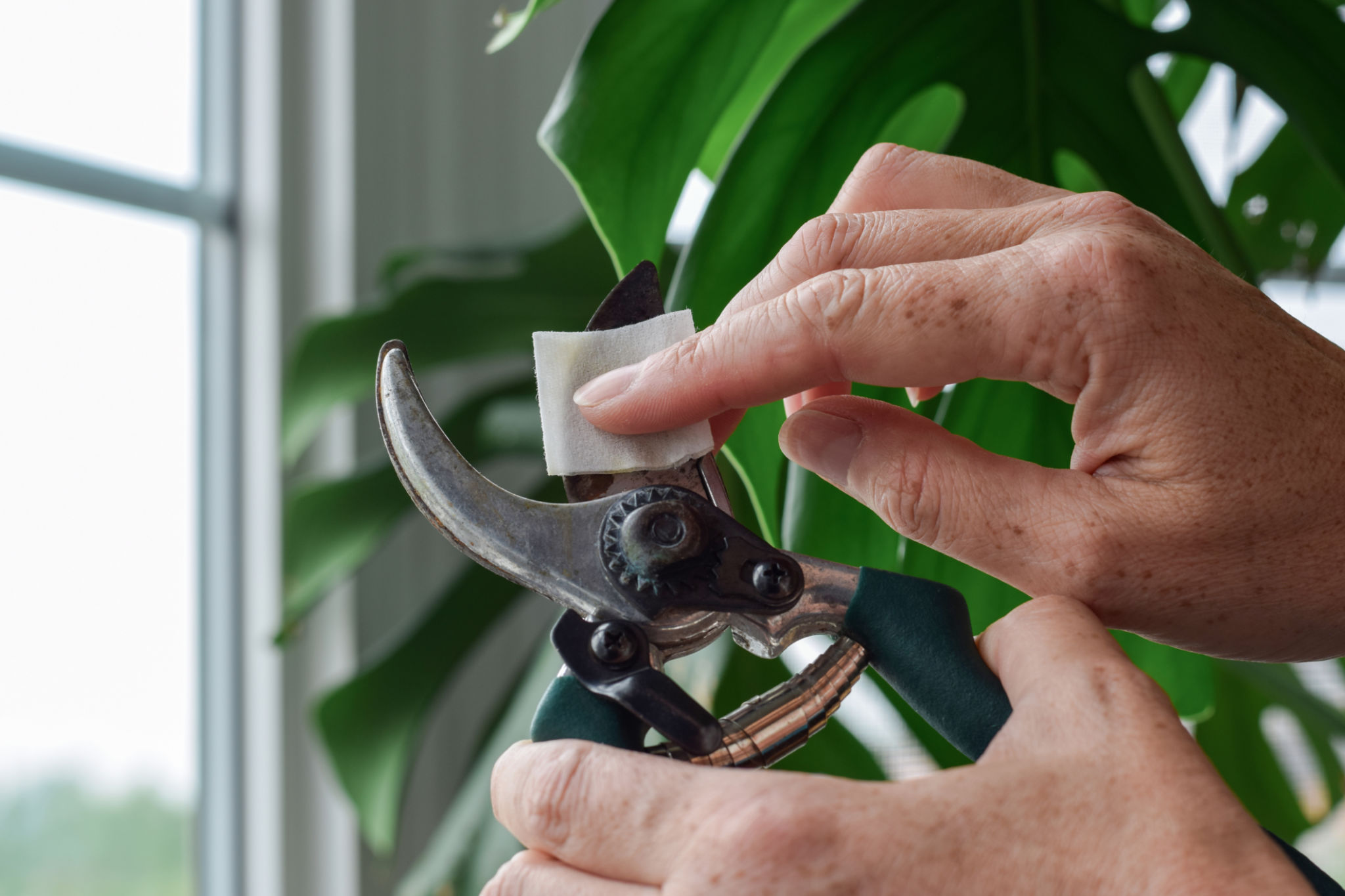
Before storing any equipment, it's essential to clean it thoroughly. Dirt, grime, and debris can cause corrosion and damage over time. Begin by removing any dirt with a brush or air compressor. For machinery like lawnmowers or chainsaws, consider lubricating moving parts to prevent rust. Additionally, check for any worn-out parts and replace them as needed. This maintenance step not only prolongs the life of your equipment but also ensures it’s ready to go when you are.
Fuel and Battery Considerations
Fuel and batteries require special attention before putting equipment into storage. For gasoline-powered machines, it is advisable to drain the fuel tank or add a fuel stabilizer. This prevents the gasoline from breaking down and clogging the fuel system. For battery-operated tools, remove the batteries and store them separately in a cool, dry place. Charge the batteries periodically to prevent them from completely discharging.
Proper Storage Techniques
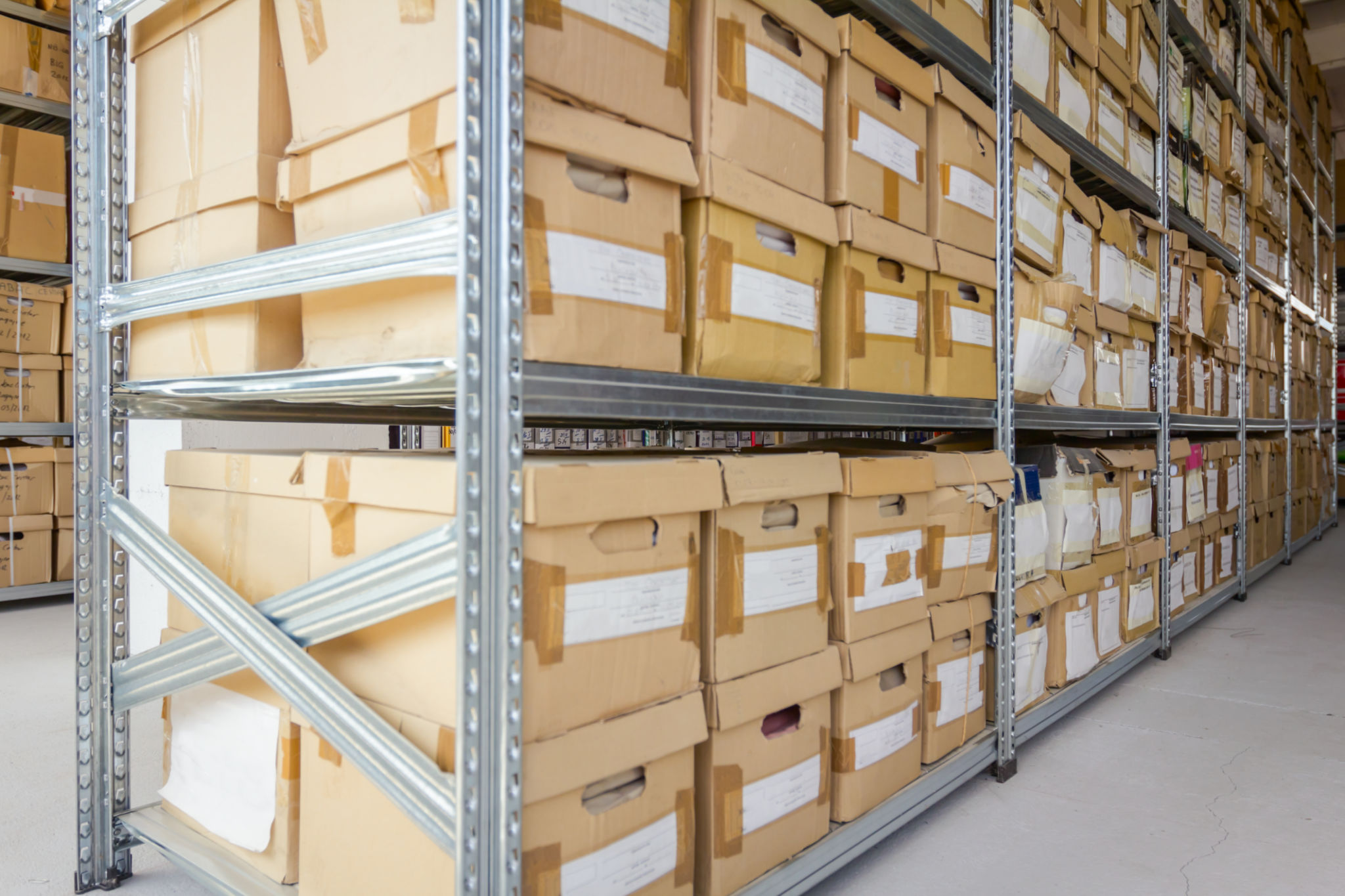
Once your equipment is clean and maintained, it’s time to think about storage. Choose a dry, cool place away from direct sunlight. Moisture and extreme temperatures can damage the machinery. If possible, use covers to protect your equipment from dust and potential damage. Shelving units or hooks can help keep your tools organized and off the ground, further protecting them from moisture.
Organizing Your Storage Space
Organization is key to efficient storage. Group similar items together, labeling them if necessary, to make retrieval easier when the season changes. Using clear plastic bins can help you see what's inside without opening them. Consider creating a checklist of all stored items to track their condition and location.
Routine Checks and Inspections
Even while in storage, your equipment can benefit from routine checks. Periodically inspect stored items to ensure they remain in good condition. Look for signs of rust, leaks, or any damage. Addressing issues early can prevent costly repairs later on. These checks also give you the opportunity to rotate stock, ensuring that nothing remains unused for extended periods.
By following these expert tips, you can ensure that your seasonal equipment remains in excellent condition, ready to perform when you need it. Proper preparation and storage not only extend the life of your tools but also provide peace of mind, knowing they are safe and well-maintained.